
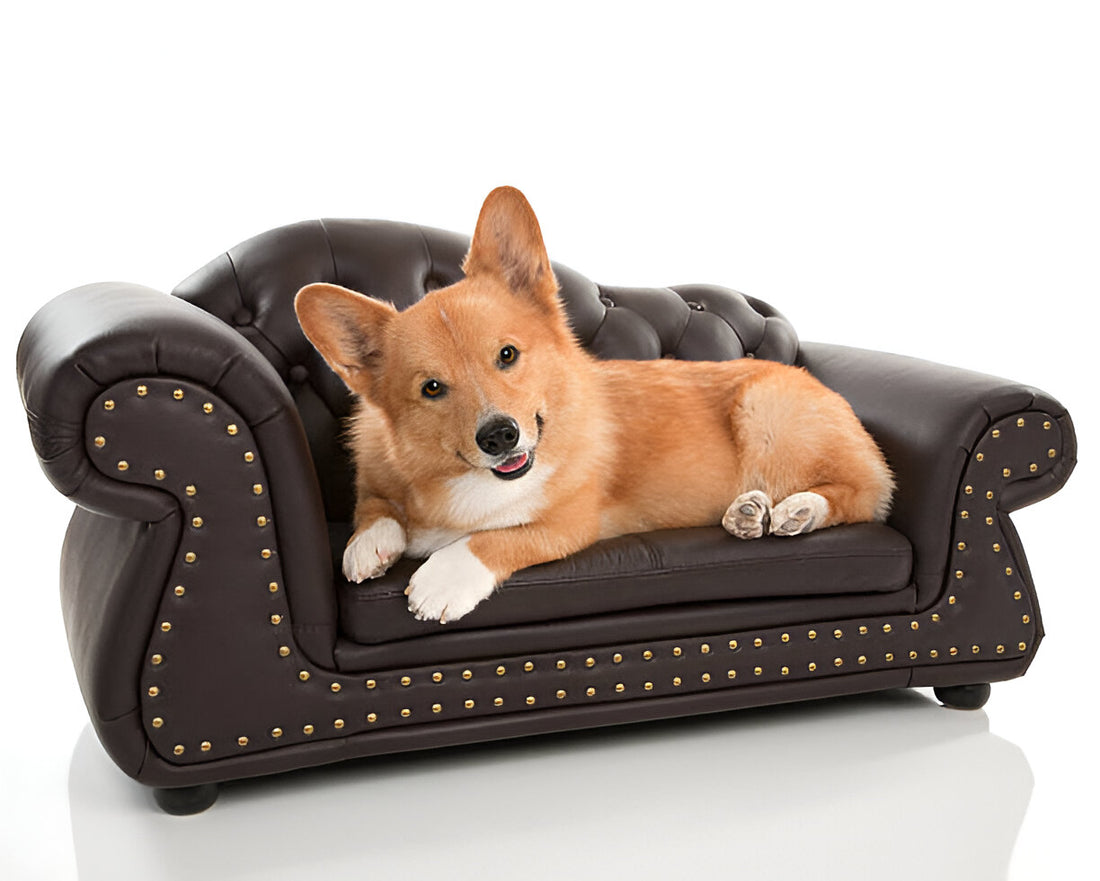
Why Elevated Dog Beds Are Gaining Popularity
Share
Short Answer
Choose bedding by measuring your pet’s fully stretched sleeping position, observing how they rest and checking how the materials will be cleaned. Supportive or elevated designs may suit some pets, but no bed should be presented as treating pain or disease without veterinary advice.
This guide explains how to apply that answer to Why Elevated Dog Beds Are Gaining Popularity in an Australian household. Product specifications, animal needs and time-sensitive rules should be checked again before acting.
Key Takeaways
- Measure the usable sleeping area, not only the outer product dimensions.
- Match shape and edge design to the pet’s normal sleeping posture.
- Check cover removal, washing instructions and drying time.
- Consider floor temperature, airflow and seasonal placement.
- Inspect foam, seams and fasteners regularly for wear.
- Ask a vet about persistent stiffness, pain or major sleep changes.
Measure the way your pet actually sleeps
Record the space your pet uses when curled and fully stretched. Add comfortable clearance and check the usable sleeping surface, because bolsters and thick edges reduce internal room.
Choose materials for the household routine
A soft surface is only practical when you can manage shedding, dirt, moisture and drying. Removable covers and clear care instructions often matter more than decorative claims.
Consider support without making medical promises
Foam density, thickness and floor clearance affect feel, but a bed is not a treatment. Persistent stiffness, reluctance to rise or obvious pain should be discussed with a veterinarian.
Plan the position as carefully as the bed
Use a stable, quiet location away from inappropriate heat, draughts and busy walkways. Some pets benefit from having more than one resting option around the home.
A practical step-by-step decision process
Write a one-sentence purpose
Define exactly what the product must improve in the household. This prevents decorative features from distracting from fit, access, cleaning and the pet’s everyday routine.
Measure the complete working space
Include door swing, panels, handles, wheels and the room needed to clean around the item. A product that technically fits can still obstruct a walkway or become awkward to maintain.
Check materials against real use
Compare the stated construction with shedding, mud, moisture, claws, chewing and cleaning frequency. Look for specific care instructions instead of assuming a premium-sounding material is effortless.
Plan a low-pressure introduction
Retain familiar bedding or resting choices while the new item is available. Reward calm interest and allow the pet to decide when to approach or settle.
Common mistakes to avoid
- Buying for appearance before function
- Using external dimensions as the usable space
- Ignoring cleaning and drying requirements
- Removing familiar choices immediately
- Relying on unsupported performance or health language
For Why Elevated Dog Beds Are Gaining Popularity, the most useful comparison is the one that connects a measurable product feature to a real need. Remove any option that does not fit the pet, the available space or the intended routine before comparing style or price.
Australian household and climate considerations
Australian heat, strong sun, coastal air, dust and muddy outdoor routines can affect materials and placement. Confirm whether the product is intended for indoor, covered outdoor or vehicle use, and follow the stated cleaning and storage instructions rather than assuming all-weather performance.
Conditions vary widely between regions and seasons. Recheck the setup during heat, wet weather, travel or changes in the pet’s mobility, and stop using any item that becomes unstable, damaged or unsuitable.
Pre-purchase checklist
- Pet measurements recorded in centimetres
- Usable product dimensions confirmed
- Stated weight capacity checked where relevant
- Door, entry or cabin access planned
- Materials and cleaning instructions reviewed
- Final household or vehicle position measured
- Introduction and supervision plan prepared
- Current product details and local guidance rechecked
Practical points specific to this topic
Elevated dog beds, also known as raised or cot-style beds, are becoming increasingly popular among pet owners. These beds offer a range of benefits that contribute to your dog's comfort, health, and overall well-being. In this article, we explore the reasons behind the growing popularity of elevated dog beds and how they can enhance your pet's quality of life.
Elevated dog beds consist of a raised platform, usually made of a sturdy frame with a fabric or mesh sleeping surface. The design lifts the dog off the ground, providing a unique combination of comfort and practicality.
One of the main advantages of elevated dog beds is their ability to promote better air circulation. By lifting your dog off the ground, these beds allow air to flow beneath and around the sleeping area, helping to regulate your dog's body temperature. This is particularly beneficial in warm climates or during the summer months.
Tip: Choose beds with breathable mesh surfaces for optimal air circulation and cooling.
Useful Paw Comfort categories and guides
Compare dog beds for the product features discussed above.
Compare cat beds for the product features discussed above.
For another angle on this decision, read eco-friendly pet beds: sustainable options for your furry friend before comparing products.
For another angle on this decision, read luxury pet beds: pamper your pet with ultimate comfort.
Final Verdict
The best bed is large enough for natural sleep positions, practical to clean and acceptable to the individual pet. Choose measurable features over luxury language or unsupported health claims.
Before ordering, open the live product page and verify the current measurements, included parts, materials, available options and intended use.
Frequently Asked Questions
What is the first thing to check for why elevated dog beds are gaining popularity?
Check the pet’s relevant measurements and the usable product dimensions, then confirm the design matches the intended routine and location.
Can I choose only by breed, age or product size label?
No. Those labels are starting points. Individual measurements, mobility, temperament and behaviour can change what is suitable.
How should I introduce a new product?
Allow voluntary investigation, use calm reward-based sessions and increase exposure only while the pet remains comfortable.
When should I ask a veterinarian?
Seek veterinary advice for pain, breathing difficulty, sudden behaviour changes, persistent distress, reduced mobility or recovery from injury or surgery.
How often should I inspect pet furniture or travel equipment?
Inspect it regularly and before travel. Stop using it if you find damage, loose fittings, sharp edges, failed latches or other changes that could affect safe use.
Do product names prove safety or performance?
No. Terms such as heavy duty, orthopedic, waterproof or secure should be checked against the exact construction, specifications and evidence supplied for that product.