
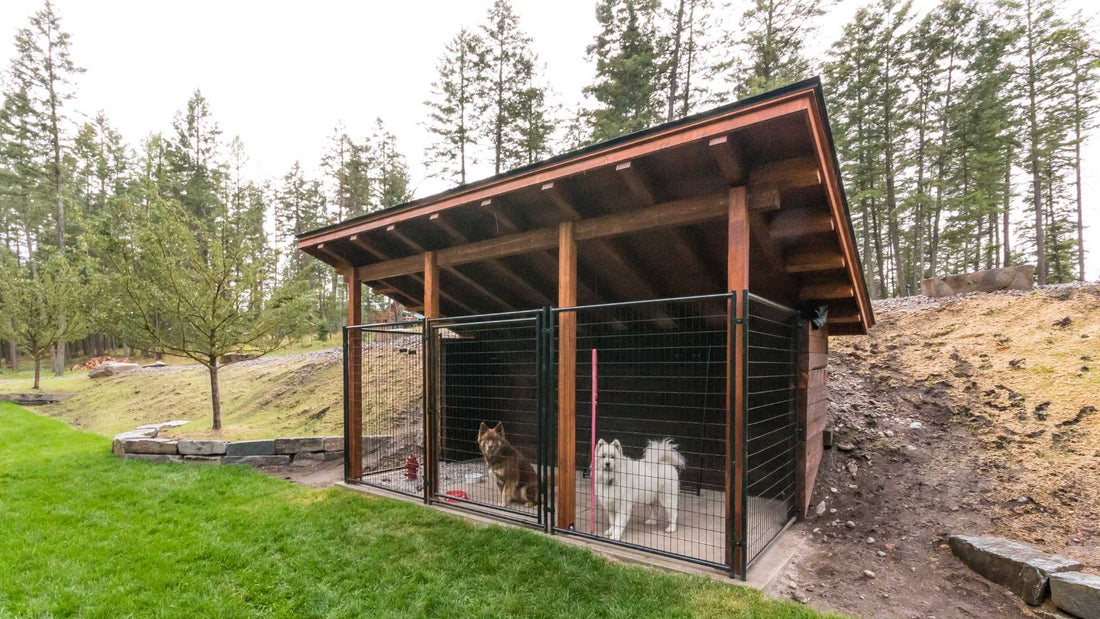
Indoor vs. Outdoor Dog Kennels: Pros and Cons
Share
Short Answer
A crate, cage or kennel should be selected by usable dimensions, access, ventilation, location and the dog’s behaviour—not by breed label alone. Introduce it gradually with reward-based training and never use confinement as punishment or as a substitute for exercise, interaction, toilet breaks and supervision.
This guide explains how to apply that answer to Indoor vs. Outdoor Dog Kennels: Pros and Cons in an Australian household. Product specifications, animal needs and time-sensitive rules should be checked again before acting.
Key Takeaways
- Measure standing height, body length and fully stretched resting space.
- Compare door access, ventilation, latches and cleaning features.
- Place the enclosure in a stable, comfortable household location.
- Build positive associations in short sessions at the dog’s pace.
- Do not use a crate to treat separation anxiety without professional guidance.
- Check regularly for wear, heat, distress and attempts to escape.
Choose by measurement and behaviour
The dog should be able to stand naturally, turn and lie fully stretched. Size labels vary between products, so compare the dog’s measurements with the usable internal dimensions.
Check access, ventilation and placement
Door position affects where the enclosure can sit in the room. Maintain airflow, avoid direct heat and ensure the base is stable and practical to clean.
Use reward-based introduction
Allow voluntary investigation, reward calm entry and begin with very short periods. Increase duration only while the dog remains relaxed; forcing or punishing the dog can damage the association.
Know when confinement is the wrong response
Barking, escape attempts, drooling, self-injury or panic can indicate distress. Separation anxiety requires veterinary or qualified behaviour support rather than simply increasing crate time.
A practical step-by-step decision process
Record three measurements
Measure standing height, body length and the space used when lying fully stretched. Write the numbers down and compare them with the product’s internal dimensions; do not assume the external footprint equals the usable space.
Map the room before choosing doors
Mark the proposed footprint with tape and check walking routes, furniture, direct sun and door swing. Multi-door access is useful only when the chosen doors remain accessible in the final position.
Plan the introduction separately from the purchase
Prepare short reward-based sessions before expecting the dog to settle with a closed door. The first goals are calm investigation and voluntary entry, not a long period of confinement.
Reassess the dog, not just the equipment
If the dog shows repeated distress, escape behaviour or reluctance, pause and review the training plan and environment. A more substantial enclosure is not automatically the answer to an emotional or behavioural problem.
Common mistakes to avoid
- Choosing only by breed name
- Using the enclosure as punishment
- Increasing duration while the dog is distressed
- Blocking ventilation or placing the setup in direct heat
- Assuming heavier construction fixes anxiety or training problems
For Indoor vs. Outdoor Dog Kennels: Pros and Cons, the most useful comparison is the one that connects a measurable product feature to a real need. Remove any option that does not fit the pet, the available space or the intended routine before comparing style or price.
Australian household and climate considerations
Australian homes can expose enclosures to strong sun, warm rooms and large temperature changes. Keep the setup out of direct heat, maintain airflow and check the surface temperature and water access. Outdoor use requires shade, stable ground and active supervision; an indoor-labelled product should not be treated as a weatherproof kennel.
Conditions vary widely between regions and seasons. Recheck the setup during heat, wet weather, travel or changes in the pet’s mobility, and stop using any item that becomes unstable, damaged or unsuitable.
Pre-purchase checklist
- Pet measurements recorded in centimetres
- Usable product dimensions confirmed
- Stated weight capacity checked where relevant
- Door, entry or cabin access planned
- Materials and cleaning instructions reviewed
- Final household or vehicle position measured
- Introduction and supervision plan prepared
- Current product details and local guidance rechecked
Practical points specific to this topic
Choosing the right kennel for your dog is a crucial decision that impacts their comfort, safety, and overall well-being. Dog kennels are available in a variety of designs and are broadly categorized into indoor and outdoor types. Each type has its unique benefits and potential drawbacks, making it essential to consider your dog's needs and your living environment. In this article, we explore the pros and cons of indoor and outdoor dog kennels, helping you make an informed choice.
Indoor dog kennels are typically designed for use inside the home. They are often more compact and designed to blend with home decor, making them suitable for smaller spaces and urban living.
Outdoor dog kennels are typically larger, sturdier, and designed to withstand the elements. They are ideal for homes with ample yard space and are often used for dogs that spend a significant amount of time outdoors.
When deciding between an indoor and outdoor kennel, consider your dog's size, breed, temperament, and specific needs. Additionally, think about your living situation, climate, and the amount of space you have available.
Useful Paw Comfort categories and guides
Compare dog kennels for the product features discussed above.
Compare dog crates for the product features discussed above.
For another angle on this decision, read dog kennels vs. dog crates: which is best for your pet? before comparing products.
For another angle on this decision, read stylish and functional dog kennels for modern homes.
Final Verdict
Choose a correctly measured enclosure that fits the room and the dog’s behaviour, then introduce it gradually. Welfare and training quality matter more than the product label.
Before ordering, open the live product page and verify the current measurements, included parts, materials, available options and intended use.
Frequently Asked Questions
What is the first thing to check for indoor vs. outdoor dog kennels?
Check the pet’s relevant measurements and the usable product dimensions, then confirm the design matches the intended routine and location.
Can I choose only by breed, age or product size label?
No. Those labels are starting points. Individual measurements, mobility, temperament and behaviour can change what is suitable.
How should I introduce a new product?
Allow voluntary investigation, use calm reward-based sessions and increase exposure only while the pet remains comfortable.
When should I ask a veterinarian?
Seek veterinary advice for pain, breathing difficulty, sudden behaviour changes, persistent distress, reduced mobility or recovery from injury or surgery.
How often should I inspect pet furniture or travel equipment?
Inspect it regularly and before travel. Stop using it if you find damage, loose fittings, sharp edges, failed latches or other changes that could affect safe use.
Do product names prove safety or performance?
No. Terms such as heavy duty, orthopedic, waterproof or secure should be checked against the exact construction, specifications and evidence supplied for that product.