
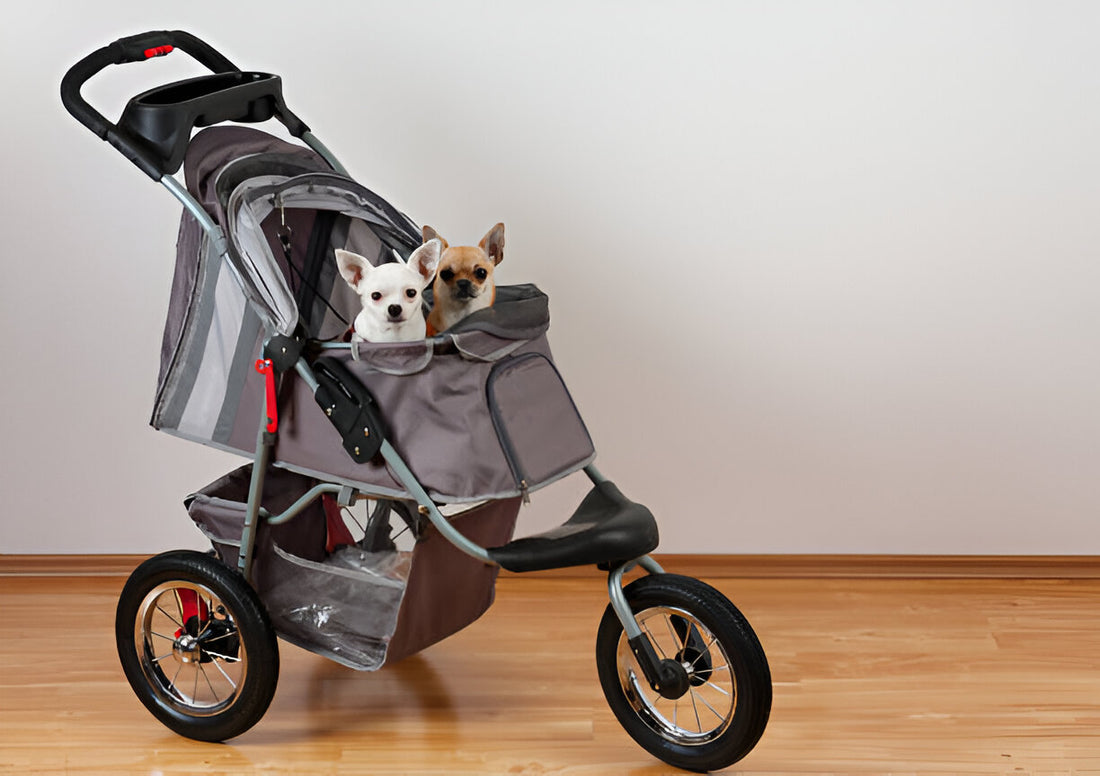
Dog Prams: Are They Necessary for Small Breeds?
Share
Short Answer
The best option depends on your pet’s usable cabin or seat measurements, mobility, temperament and the journey itself. For Australian car travel, the product does not automatically replace an appropriate vehicle restraint, and current rules should be checked for the relevant state or territory.
This guide explains how to apply that answer to Dog Prams: Are They Necessary for Small Breeds? in an Australian household. Product specifications, animal needs and time-sensitive rules should be checked again before acting.
Key Takeaways
- Use internal cabin measurements and stated weight capacity together.
- Choose access, airflow and wheel or attachment features for the actual journey.
- Introduce carriers, prams and seats gradually with reward-based training.
- Never assume a product is crash-tested unless the exact claim is independently verified.
- Plan temperature control, water and rest breaks before long journeys.
- Ask a vet for advice when injury, pain, breathing or mobility limits affect travel.
Start with the pet, not the product label
Measure your pet in a natural seated and lying position. Compare those measurements with the usable internal space, not only the external dimensions or a broad small, medium or large label.
Match the design to the journey
City footpaths, uneven parks, vehicle seats and long-distance travel create different requirements. Consider entry height, ventilation, braking or attachment points, folded size and how easily the product can be cleaned.
Introduce travel equipment gradually
Let your pet investigate the equipment while it is stationary. Use short, positive sessions and progress only while the animal remains comfortable; forcing entry can increase fear.
Treat Australian heat as a planning factor
Never leave a pet unattended in a vehicle. For prams and carriers, maintain airflow, avoid hot surfaces and direct sun, and shorten outings when conditions are unsuitable.
A practical step-by-step decision process
Describe the real journey
List the surfaces, distance, weather, storage space and transport stages involved. A smooth shopping-centre outing, a rough park path and a secured position in a vehicle require different features.
Check capacity and cabin space together
A product can meet a weight limit but still be too short, narrow or low for comfortable posture. Confirm that the pet can sit and settle without pressing against the enclosure.
Practise while stationary
Use familiar bedding or rewards and let the pet enter and leave voluntarily. Introduce zips, doors, movement and restraints in separate small steps instead of changing everything at once.
Run a short trial
Begin with a brief, low-stress outing close to home. Afterward, check the pet’s comfort, the stability of fittings, wheel or attachment performance and any signs of rubbing, overheating or fear.
Common mistakes to avoid
- Checking weight capacity but not cabin dimensions
- Treating a seat or carrier as automatic crash protection
- Skipping gradual introduction
- Ignoring heat and airflow
- Choosing wheels or attachments that do not suit the route
For Dog Prams: Are They Necessary for Small Breeds?, the most useful comparison is the one that connects a measurable product feature to a real need. Remove any option that does not fit the pet, the available space or the intended routine before comparing style or price.
Australian household and climate considerations
Australian distances and summer conditions make journey planning important. Check forecasts, avoid leaving any animal unattended in a vehicle, maintain airflow and carry water. Vehicle-restraint and animal-transport requirements can vary by state or territory, so confirm current official guidance for the route.
Conditions vary widely between regions and seasons. Recheck the setup during heat, wet weather, travel or changes in the pet’s mobility, and stop using any item that becomes unstable, damaged or unsuitable.
Pre-purchase checklist
- Pet measurements recorded in centimetres
- Usable product dimensions confirmed
- Stated weight capacity checked where relevant
- Door, entry or cabin access planned
- Materials and cleaning instructions reviewed
- Final household or vehicle position measured
- Introduction and supervision plan prepared
- Current product details and local guidance rechecked
Practical points specific to this topic
Dog prams, also known as pet strollers, have gained popularity among pet owners, particularly those with small breeds. These prams offer a convenient and comfortable way to transport dogs, especially in urban environments or during long outings. But are they really necessary for small breeds? In this article, we explore the benefits of dog prams and discuss when they might be an essential addition to your pet care routine.
Small dogs are more vulnerable to environmental factors such as heat, cold, and rough terrain. A dog pram provides a secure and enclosed space, protecting them from harsh weather conditions and potential hazards like large crowds or busy streets.
Tip: Look for prams with weatherproof features, such as canopies or covers, to keep your pet comfortable in all conditions.
For dogs that are anxious in new or busy environments, a pram can offer a familiar and controlled space, reducing stress and anxiety. This is particularly beneficial for older dogs or those with health issues that make walking challenging.
Useful Paw Comfort categories and guides
Compare dog prams for the product features discussed above.
Compare pet strollers for the product features discussed above.
For another angle on this decision, read memory foam dog beds: are they worth the investment? before comparing products.
For another angle on this decision, read after the walk: designing a calm evening routine for you and your dog.
Final Verdict
Choose the option that gives your pet enough usable space and suits the real journey, then introduce it gradually. For vehicle travel, confirm the restraint arrangement and current state or territory guidance separately.
Before ordering, open the live product page and verify the current measurements, included parts, materials, available options and intended use.
Frequently Asked Questions
What is the first thing to check for dog prams?
Check the pet’s relevant measurements and the usable product dimensions, then confirm the design matches the intended routine and location.
Can I choose only by breed, age or product size label?
No. Those labels are starting points. Individual measurements, mobility, temperament and behaviour can change what is suitable.
How should I introduce a new product?
Allow voluntary investigation, use calm reward-based sessions and increase exposure only while the pet remains comfortable.
When should I ask a veterinarian?
Seek veterinary advice for pain, breathing difficulty, sudden behaviour changes, persistent distress, reduced mobility or recovery from injury or surgery.
How often should I inspect pet furniture or travel equipment?
Inspect it regularly and before travel. Stop using it if you find damage, loose fittings, sharp edges, failed latches or other changes that could affect safe use.
Do product names prove safety or performance?
No. Terms such as heavy duty, orthopedic, waterproof or secure should be checked against the exact construction, specifications and evidence supplied for that product.